APPLIED RESERCH, DEVELOPMENT AND INNOVATION_
Applied R&D_
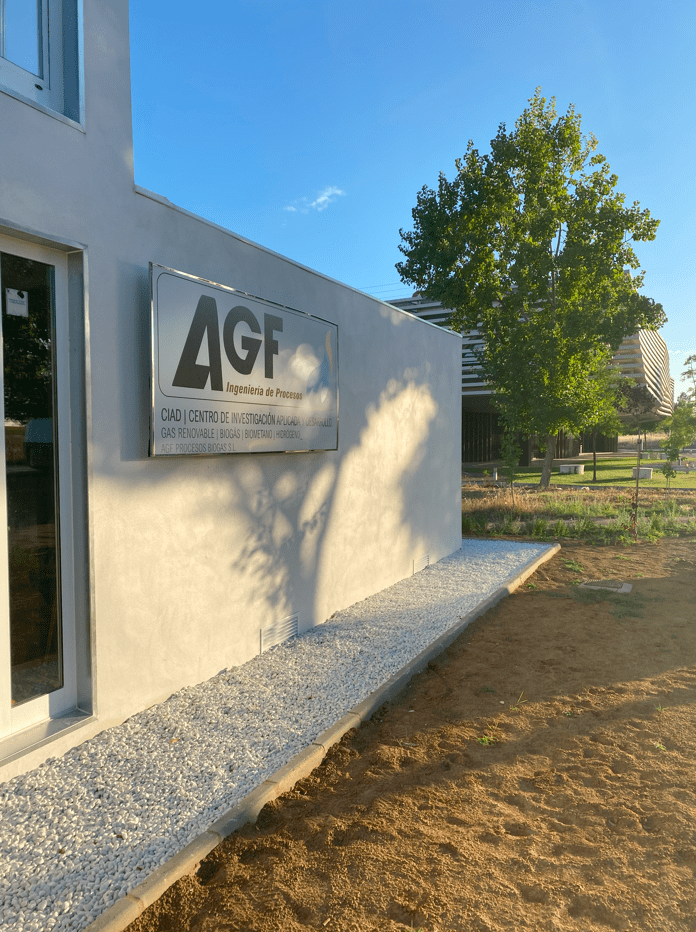
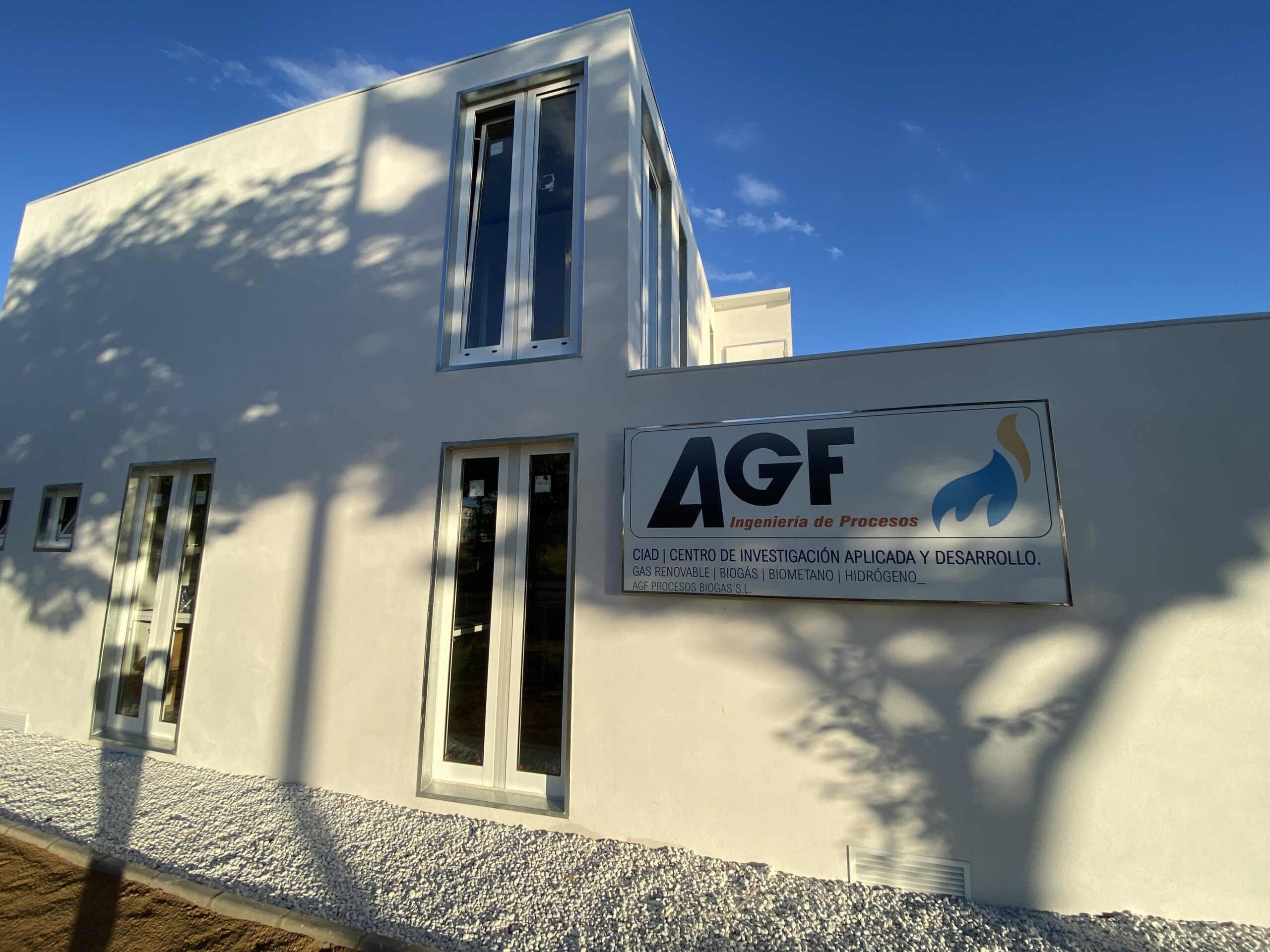
AGF applies the knowledge generated at its Applied Research and Development Centre (CIAD) on an industrial scale.
Highly efficient biogas production processes have been developed at CIAD, anaerobic and aerobic fermentation has been investigated and R&D in the field of process engineering, microbiology or thermodynamics focused on the production of renewable gases is continuously being carried out.
EXTERNAL SERVICES
CIAD offers external R&D services.
knowledge of the actual gas production potentials or the long-term stability of the processes is an important support to plant operation or project development is to know the real gas production potentials or the long term stability of the processes.
It is also of interest to carry out studies to optimise the Conceptual and Basic Engineering of plants in the design phase as well as to face different scenarios in operation.
CAPABILITIES
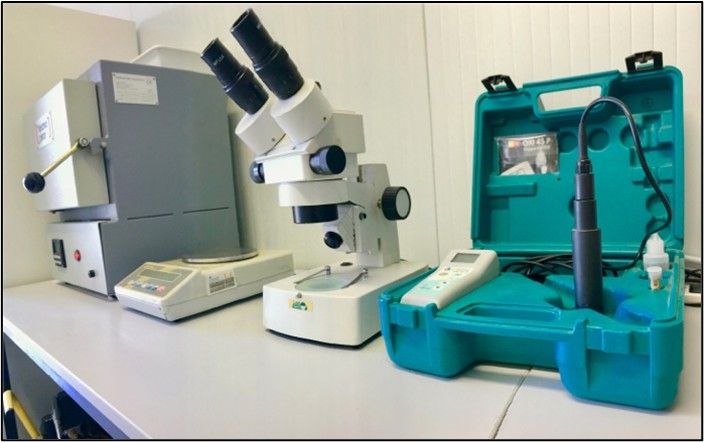
CIAD has outstanding capabilities in the renewable gas sector and an experienced team.
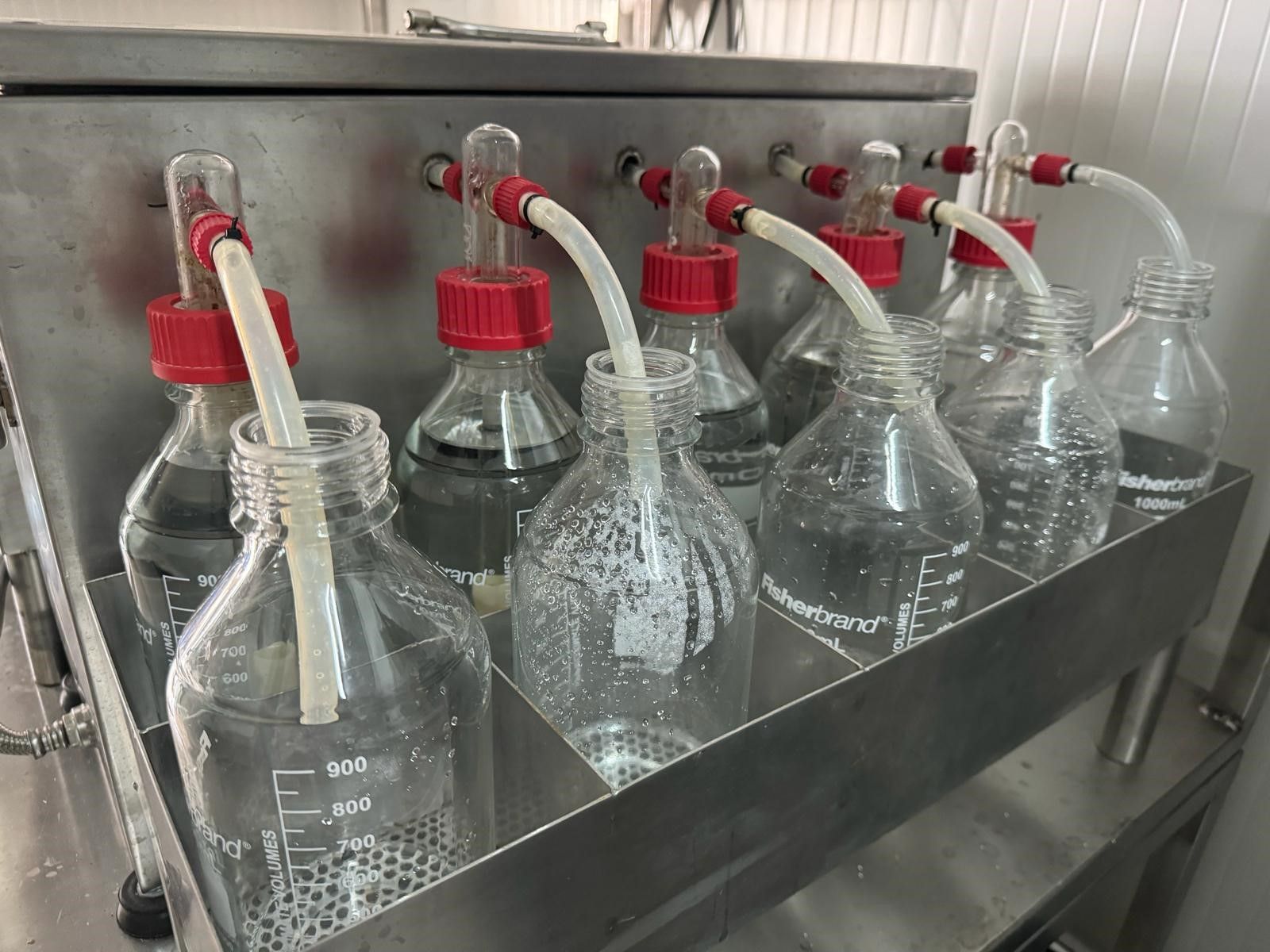
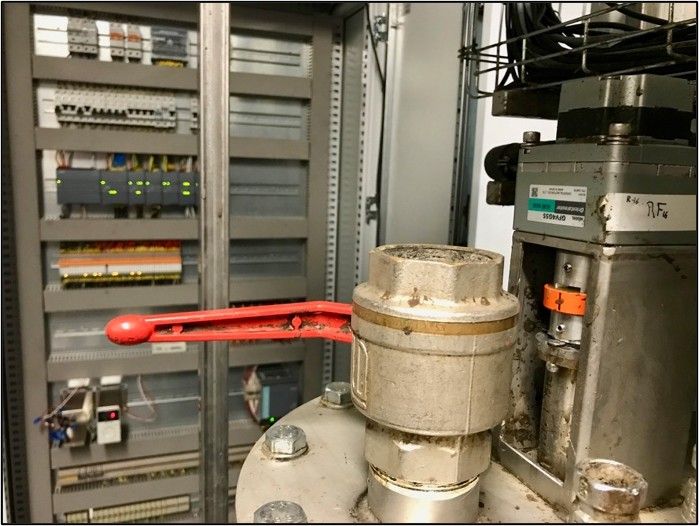
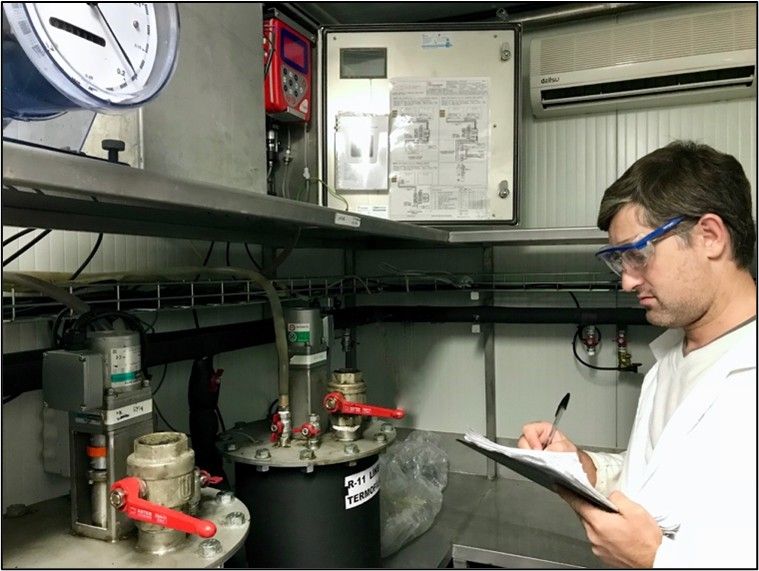
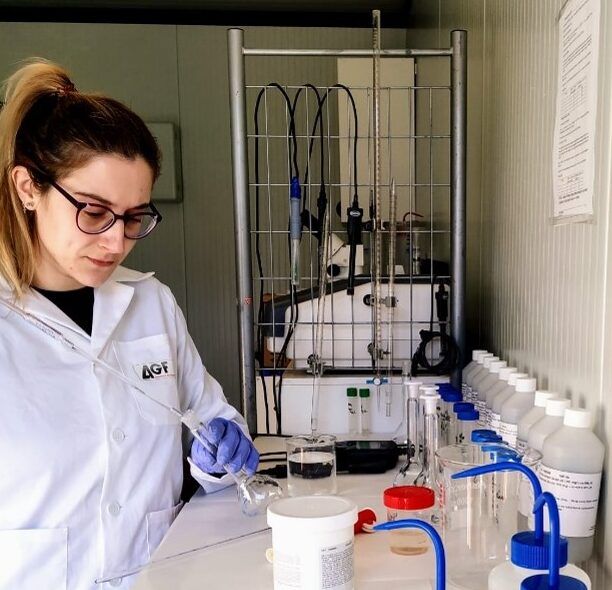
It has more than 20 operational reactors of 15 L of useful volume with temperature control, gas measurement, agitation, gas quality, centralised control by PLC and all the annexed equipment for its operation; it also has several benches with a total of more than 20 reactors of 0.5 L fully operational, as well as exclusive reactors or installations to be assembled on demand; making it a highly specialised centre in the sector.
TECHNOLOGY DEVELOPMENT
Part of CIAD’s assets are used for AGF’s internal R&D development.
Work is underway to develop new technologies, designs and processes to increase gas production efficiency and plant profitability.
Digestate treatment processes are being investigated and the R&D Plan 2024-2026, a continuation of previous plans, is being implemented.
AGF'S CENTRE FOR APPLIED RESEARCH AND DEVELOPMENT
CIAD SERVICES
Carrying out a single controlled feeding of material to an active and balanced inoculum, with sufficient biomass to process any biodegradable compound, and following the evolution of the reaction in terms of biogas production and organic matter degradation.
This is a more complex experiment than the load experiment. It consists of simulating an industrial plant to evaluate the behaviour of the plant during this period of time.
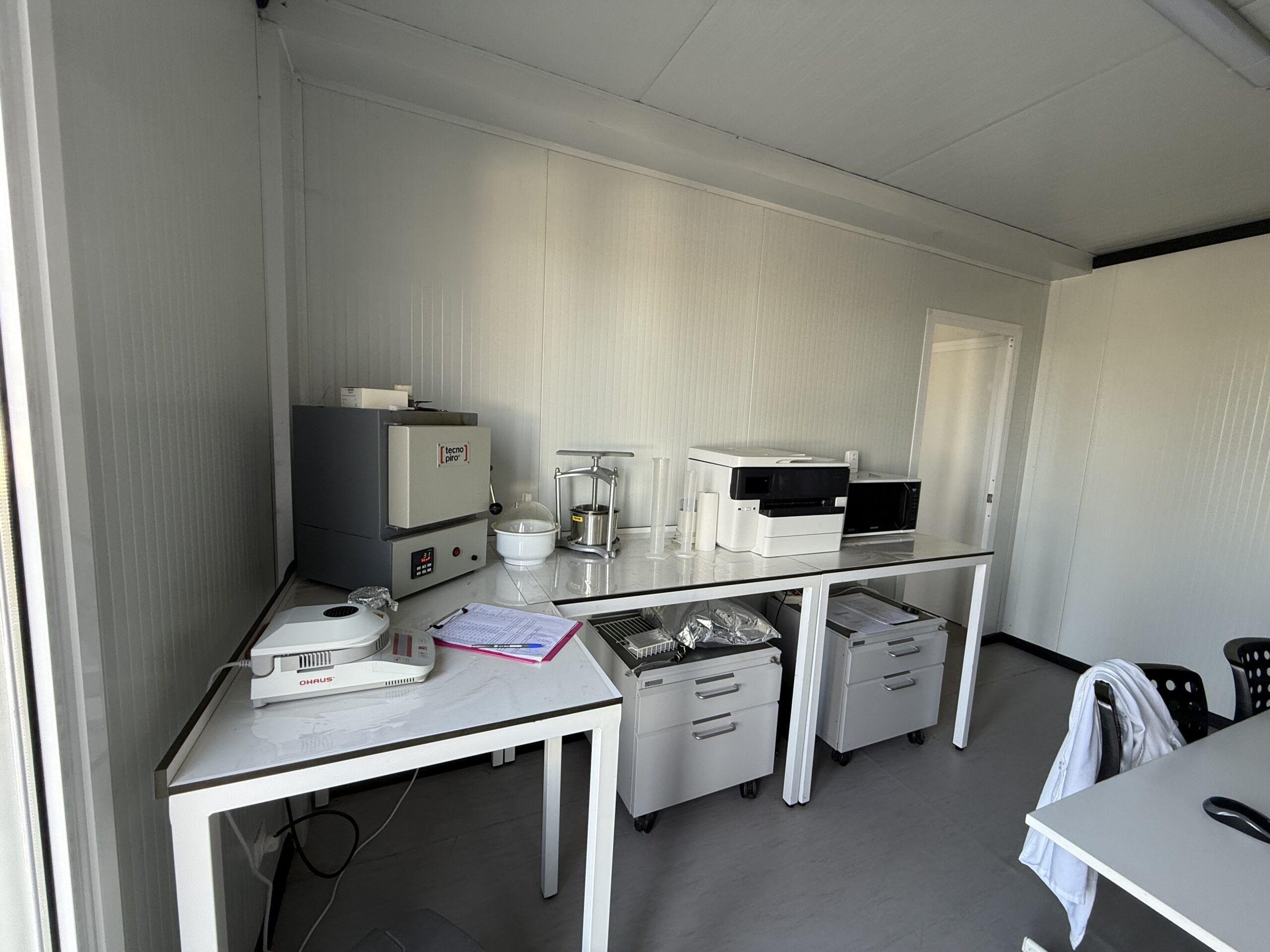
This analysis is necessary for the monitoring of the plant and detailed knowledge of the materials. Whenever there is a material to be used continuously in the biogas plant, it is necessary to know its exact and detailed composition, so it is essential to carry out this analysis, which guarantees, to a large extent, the correct operation and monitoring of the plant.